
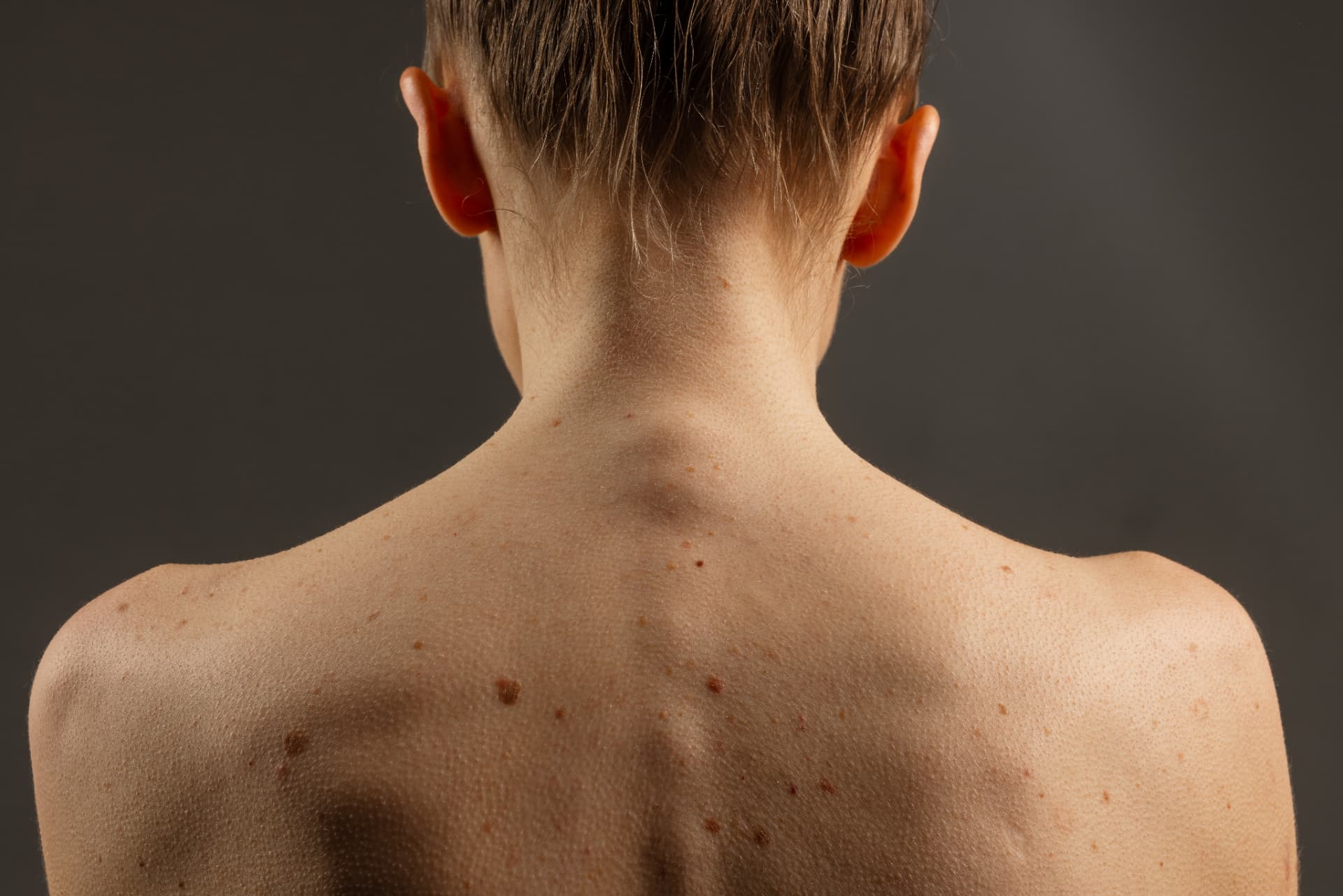
Skin Tag & MoleRemoval in EnfieldOften in One Sitting
Quick, precise removal of skin tags, milia and similar surface blemishes, usually in one sitting. Every lesion is assessed before it is treated, and anything that should be reviewed by a GP or dermatologist is referred rather than removed. Clients regularly tell us they wish they had done it years earlier.
Assessment before treatment, always · most cases resolved in a single appointment
Skin Tag & Mole Removalexplained properly.
What the treatment is, who it suits, when it is needed and why it is worth having done by a clinic that will also handle the follow-up.
What the treatment involves
Surface lesions such as skin tags and milia are removed precisely at the base, under controlled conditions, with the area cleaned and dressed afterwards. Appointments are short. What takes the time is the assessment beforehand and the aftercare instruction afterwards, both of which matter more than the removal itself.
Who it is for
Anyone with skin tags in areas that catch on clothing, jewellery or razors, the neck, underarms, eyelids, chest and groin are common, and clients with milia or similar small blemishes on the face. It suits people who want the issue resolved quickly rather than managed indefinitely.
When to have it done
As soon as a lesion is catching, bleeding from friction or bothering you cosmetically. If a mark has changed in size, shape or colour, has an irregular border, itches or bleeds without being caught, see your GP first, that is a medical assessment, not a cosmetic one.
Why professional removal matters
Home removal kits and DIY methods cause unnecessary scarring, infection risk and incomplete removal that simply regrows. More importantly, home removal skips the one step that actually matters: someone looking at the lesion first and deciding whether it should be treated cosmetically at all.
What it costs youto leave it alone.
Catching and irritation
Tags on the neck, underarms and groin snag on collars, straps and razors. Repeated trauma leads to bleeding, soreness and inflammation that keeps recurring for as long as the tag is there.
Home removal attempts
Thread, freezing kits and acid pens frequently leave a mark worse than the original lesion, and carry a genuine infection risk in areas that sweat or rub.
Ignoring a mark that needs a doctor
Cosmetic removal is not appropriate for every lesion. Anything suspicious is referred to a GP or dermatologist without exception, removing it first would remove the evidence someone needs to examine.
How we runthis treatment.
Assessment
Each lesion is examined individually and we confirm whether cosmetic removal is appropriate or whether you should see a GP first.
Plan & quote
You are told how many lesions can be treated, what to expect and what it costs before anything is started.
Preparation
The area is cleaned and prepared, with numbing applied where appropriate for comfort.
Removal
Precise removal at the base, working lesion by lesion, usually completing everything in the same appointment.
Aftercare instruction
The area is dressed and you leave with clear written guidance on keeping it clean and protected while it heals.
Follow-up
You can contact us with any questions while the area heals, and we review anything that is not settling as expected.
What you actuallyget out of it.
Usually one appointment
Most cases, including multiple lesions, are resolved in a single sitting.
Minimal discomfort
Clients routinely describe it as far easier and quicker than they expected.
No more catching
Tags that snag on clothing, razors or jewellery stop being a daily irritation.
Precise removal at the base
Removing the lesion properly reduces the likelihood of the same one returning.
Assessment first, always
Anything that needs medical review is referred rather than treated.
Clear aftercare
You know exactly how to care for the area, which is what keeps healing marks minimal.
What this treatmentis for.
- Most cases resolved in a single appointment
- Minimal discomfort and a fast appointment
- Clear aftercare so healing goes smoothly
- Assessment before treatment, always
The detail behindskin tag & mole removal.
Lesions commonly treated
Skin tags of varying sizes, milia, and similar benign surface blemishes. Multiple lesions in one area are frequently treated together in a single appointment, which is usually more practical and more economical than returning repeatedly.
Areas we treat
Neck, underarms, chest, back, around the eyes and eyelid margins with appropriate care, and the groin area. Facial lesions are approached conservatively because healing on the face is the most visible, and expectations are discussed in detail beforehand.
Healing and marks
Small crusts form and typically resolve over one to two weeks. Following aftercare, keeping the area clean, not picking, protecting it from sun, is what determines whether a mark fades well. We discuss the likely outcome for each specific lesion before treating it.
When we refer instead
Anything with irregular borders, colour variation, recent change, itching or unexplained bleeding is referred to a GP or dermatologist. We also refer where a lesion is deeper than it appears or sits somewhere that makes cosmetic removal unwise. This is a firm rule, not a judgement call made on the day.
Assessment first
We look at each lesion before treating. Anything that should be reviewed by a GP or dermatologist is referred rather than treated, without exception.
Aftercare
You leave with straightforward aftercare instructions and can contact us with any questions while the area heals.
Common questions aboutskin tag & mole removal.
- Does it hurt?
- Discomfort is minimal and short-lived, and numbing is used where appropriate. Clients routinely describe it as far easier than expected.
- Will it scar?
- Following aftercare properly, marks usually fade well. We discuss the likely outcome for each specific lesion beforehand rather than making a blanket promise.
- How much does removal cost?
- Price depends on the number and size of the lesions, which is why we assess and quote before starting. Call 07455 249886 and we will explain how it works.
- How long does the appointment take?
- Most appointments are short. Allow extra time for your first visit because it includes assessment and aftercare instruction.
- Can several tags be removed at once?
- Yes. Multiple lesions are commonly treated in one sitting, which is usually more practical than repeat visits.
- Will they grow back?
- The lesion removed does not typically return when it is taken at the base, though some people are simply prone to developing new tags elsewhere over time.
- What if the mark might be something medical?
- Anything with irregular borders, colour change, itching or unexplained bleeding is referred to your GP or a dermatologist rather than removed. That rule has no exceptions.
- Can I be seen today?
- Same-day appointments are available for most non-surgical treatments, subject to the diary. Call 07455 249886 to check availability.
Stop working around something that takes one appointment.
Book an assessment and we will tell you what can be removed, what it costs and what healing looks like. Call the clinic or send an enquiry.
146 Lancaster Rd, Enfield EN2 0JS · Mon–Sat · 10am–7pm · Sunday closed